
Back to Management & Leadership
Bridging The Generational Divide In The Workplace
Written by: Tamara Siklosi
Tamara is a seasoned copywriter with a unique blend of legal expertise, business acumen, and a passion for writing.
Reviewed by: Keca Ward
As a seasoned HR professional with over 20 years of experience, Keca is an expert in various aspects of Human Resources.
Updated on July 29, 2026
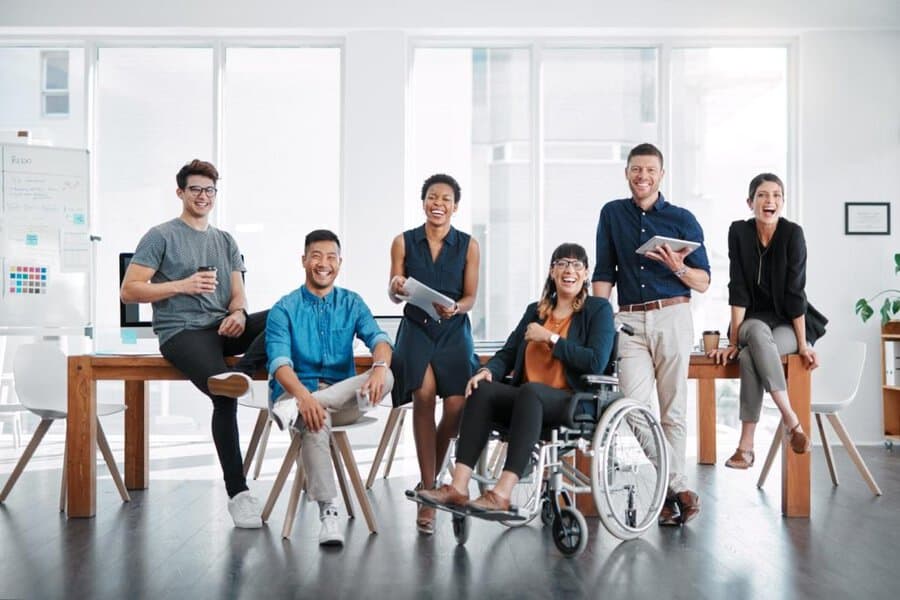
Today’s workforce is more age-diverse than ever before. Employees from multiple generations often work side by side, bringing different experiences, communication styles, and professional expectations to the same organization. While these differences can sometimes create misunderstandings, they also present valuable opportunities for innovation, collaboration, and knowledge sharing.
Recognize Different Perspectives
Each generation has been shaped by different economic conditions, technology, and workplace norms. These experiences can influence how employees communicate, solve problems, and approach career development.
For example, some employees may prefer face-to-face conversations, while others are more comfortable with instant messaging or video meetings. Differences in feedback preferences, work schedules, and learning styles can also affect team dynamics. Recognizing these differences without relying on stereotypes allows managers to focus on individual strengths instead of making assumptions based on age.
Build Strong Communication Practices
Clear communication helps reduce misunderstandings across generations. Organizations should establish consistent expectations for meetings, project updates, performance feedback, and collaboration tools.
Managers can encourage employees to discuss preferred communication methods while remaining flexible enough to work effectively with colleagues who have different preferences. Providing multiple ways to share information also improves accessibility for everyone. Regular team meetings, clear documentation, and open discussions help create an environment where employees feel comfortable asking questions and sharing ideas.
Encourage Knowledge Sharing
One of the greatest advantages of a multigenerational workforce is the opportunity to exchange knowledge. Experienced employees often provide valuable industry expertise, historical context, and problem-solving skills developed over many years. Newer professionals may introduce fresh perspectives, emerging technologies, and innovative approaches to everyday challenges.
Mentorship programs that encourage learning in both directions strengthen collaboration and help employees appreciate each other’s contributions. Cross-functional projects can also create opportunities for people with different backgrounds to work together toward shared goals.
Create a Workplace That Supports Every Generation
Policies that promote flexibility, professional development, and employee well-being benefit workers at every career stage. Offering learning opportunities, transparent career paths, and consistent performance expectations helps employees remain engaged regardless of age.
Organizations should also recognize that employees may have different personal responsibilities outside of work, including childcare, continuing education, or caring for aging family members. Flexible workplace practices can help support these varying needs while maintaining productivity.
Some organizations extend their commitment to community involvement through initiatives such as fleet vehicle donations, demonstrating values that often resonate with employees across multiple generations and encourage a shared sense of purpose.
Focus on Shared Goals
Although employees may differ in how they communicate or approach their work, most share common objectives. People want meaningful work, respectful leadership, opportunities for growth, and recognition for their contributions.
HR leaders can strengthen collaboration by emphasizing these shared priorities instead of focusing on generational labels. Encouraging respect, continuous learning, and open communication creates stronger teams that benefit from a broad range of perspectives. Organizations that successfully bridge generational differences are better positioned to improve employee engagement, strengthen workplace culture, and adapt to changing business needs over the long term. Look over the infographic below to learn more.
