Back to Management & Leadership
Branding Blind Spots: What Your Customers See That You Don’t
Written by: Tamara Siklosi
Tamara is a seasoned copywriter with a unique blend of legal expertise, business acumen, and a passion for writing.
Updated on July 29, 2026

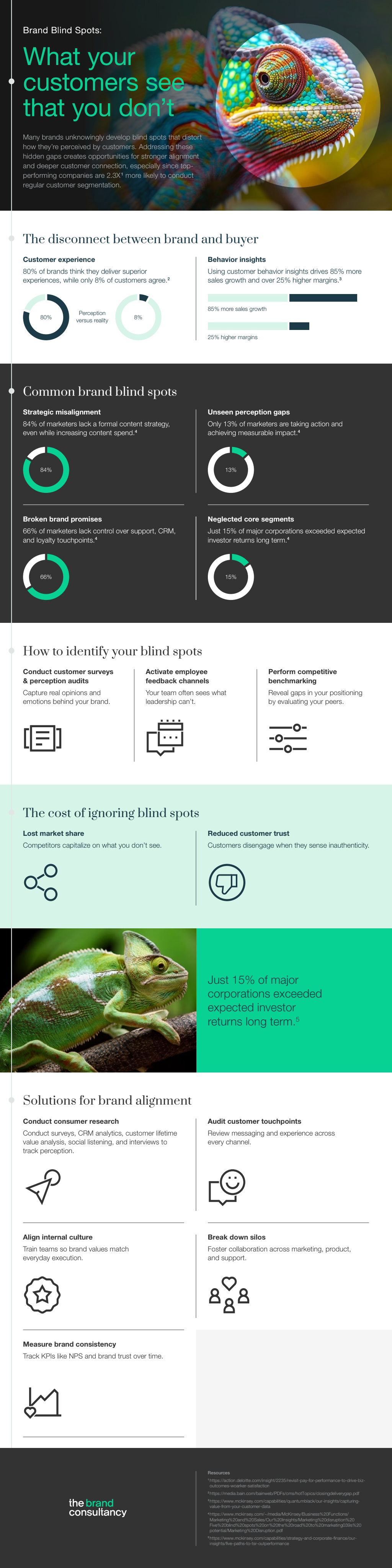
A company’s brand is shaped by every interaction people have with the business. While leaders often focus on logos, messaging, and marketing campaigns, customers build opinions from many other experiences, including employee interactions, hiring practices, response times, and workplace culture. These factors can create branding blind spots that weaken trust even when marketing efforts are strong.
Company Culture Is Part of the Brand
Employees represent a brand every day through their communication, professionalism, and attitude. A workplace with clear expectations, strong leadership, and respectful collaboration is more likely to deliver consistent customer experiences.
When employees feel supported and engaged, they are generally better equipped to provide helpful service and communicate positively with customers. On the other hand, high turnover, poor communication, or unclear expectations can affect customer interactions in ways that leadership may not immediately recognize.
Customers Notice Operational Details
Many branding blind spots are found in routine business operations rather than advertising materials. Delayed responses, inconsistent service, confusing processes, or conflicting information can all shape how customers view an organization.
Business leaders sometimes become accustomed to internal processes and overlook frustrations that first-time customers experience. Reviewing customer journeys from beginning to end can reveal unnecessary obstacles that reduce satisfaction.
HR teams can support these efforts by collaborating with operational leaders to improve onboarding, training, and communication standards. Even small operational improvements can create a more consistent experience that reinforces customer confidence in the brand.
Employee Feedback Reveals Hidden Gaps
Employees often recognize issues that leadership rarely sees. Frontline staff hear customer questions, observe recurring complaints, and identify inefficient workflows during daily operations. Creating opportunities for employees to share suggestions encourages continuous improvement. Anonymous surveys, team meetings, and one-on-one conversations can all provide valuable insight.
Organizations that act on employee feedback often strengthen both workplace culture and customer satisfaction because many operational improvements benefit both groups. Encouraging open communication also helps employees feel valued, increasing engagement and reinforcing a culture built on trust and accountability.
Measure Brand Performance Beyond Marketing
A strong brand should be evaluated using more than awareness or social media engagement. Retention rates, employee engagement, customer satisfaction scores, online reviews, and referral activity all provide useful information about how people experience the organization.
Business leaders should also consider the long-term branding ROI created through investments in employee development, leadership training, and workplace culture. These efforts often improve customer interactions while strengthening recruitment and retention.
Regularly reviewing these performance indicators helps organizations identify trends before they become larger challenges. Comparing employee feedback with customer feedback can also reveal patterns that may otherwise go unnoticed, giving leadership a clearer picture of where improvements will have the greatest impact.
Brand perception is built through everyday actions rather than isolated campaigns. HR professionals play an important role by helping organizations create positive employee experiences that naturally extend to customers. When businesses regularly gather feedback, review operational processes, and invest in their people, they are better positioned to identify branding blind spots. To learn more, feel free to look over the accompanying resource below.