Back to Management & Leadership
Modern Benefits Technology that is Vital to HR Success
Written by: Frank Mengert
Frank Mengert is the founder and CEO of ebm, where he drives growth by bridging insurance and technology to deliver modern employee benefits solutions nationwide.
Updated on January 27, 2026
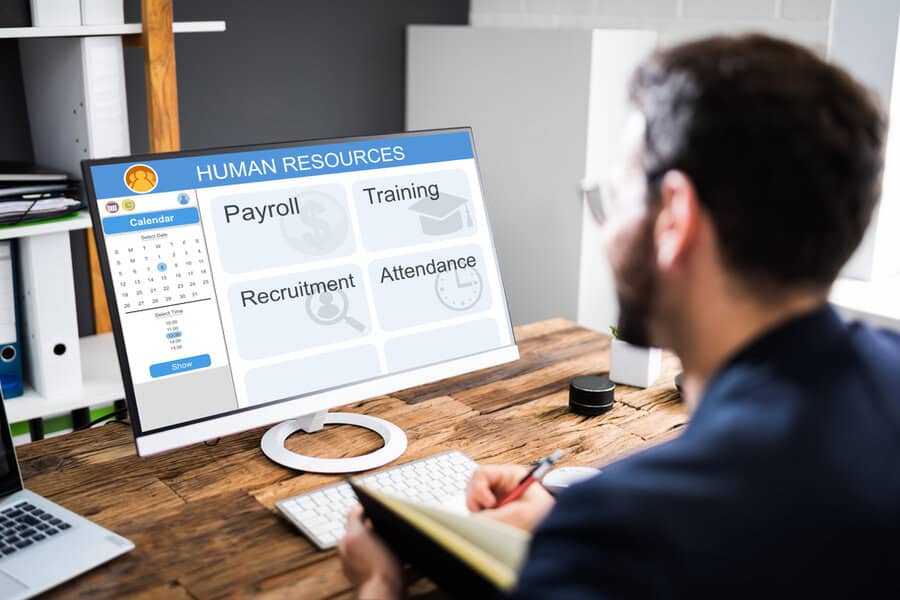
Keeping your team motivated and productive all comes down to the level of support you can provide them. Modern HR teams and employee are regularly looking for more flexibility and automation in their day-to-day, and one way to achieve this is by supporting the business with the right HR tools and technology.
When you have a reliable benefits tech stack in place, your teams can move away from manual, time-consuming tasks and replace them with efficiency and improved decision-making.
Below, we’ll cover some of the core pieces of benefits technology you should be using to provide added support to your HR team while building a stronger company culture for all your employees.
Mobile-Responsive Self-Service Portals
Most people today are used to accessing tools or services from their mobile devices. This convenience and accessibility have extended to benefits platforms and the on-demand employee support they provide.
If your employees aren’t able to check their benefits coverage or answer their own questions about their place while at home or at the pharmacy, your benefits platform may not be as efficient as you think. Best-of-breed cloud-based portals fix this issue by ensuring your team can access their information at any time, no matter where they are or what device they’re using.
When these platforms are simple and intuitive to use, whether in the office or at home, your staff can find answers to their own plan inquiries without having to overwhelm your HR team’s inboxes. This cuts down on those time-consuming, routine information requests and keeps all benefits enrollment data in a single location.
Interactive Decision Support and Education
Most employees can’t be bothered to scroll through a 50-page PDF that explains every detail of their benefits plan. Those traditional methods for educating employees on their benefits options typically leave people more confused than when they started asking questions.
Instead, replacing static files with dynamic tools, such as side-by-side plan comparisons and cost calculators, provides your team with helpful information tailored to their specific use cases. This can be really helpful for both traditional healthcare coverage and when introducing a more flexible Section 125 plan.
In addition, by adding short, helpful explainer videos or arranging carrier-hosted webinars, you can really start to clear up the confusion around benefits structures and consumption details. This helps your employees feel confident about what they are signing up for before they hit “submit” during open enrollment periods.
Automated Enrollment and Life Event Workflows
Having too many manual HR checklists can quickly drain your team’s energy during new employee onboarding and open enrollment. Automated systems are incredibly helpful here, as they ensure your eligibility rules are followed perfectly every time. This means you significantly reduce the risk of human error causing issues down the road.
Whether you’re welcoming a new hire or helping a current employee update their benefits after they start a family, benefits platforms that let you create digital workflows can handle all the data validation on HR’s behalf. This helps to remove the bottlenecks that usually slow your departments down and allows them to put their energy into supporting the business in other strategic areas.
Consolidated Carrier Billing and Reconciliation
Trying to keep track of a dozen different carrier invoices every month is often a recipe for disaster without the right tools and systems in place. If your teams are still using manual spreadsheets to track all of this, you’re likely to run into a range of data management and financial calculation errors that can be hard to spot and take a long time to fix. Using a unified system for tracking carrier billing and benefits claims lets all of your teams view everything in a single, clean, organized view.
Taking this approach allows your teams to replace manual carrier tracking with automated tools that can spot billing errors and address them quickly. By linking your enrollment data directly to the charges the carriers are billing, you ensure the business pays only for people who are actually covered under agreements. This kind of real-time oversight keeps business records clean while preventing overpayments that can impact positive returns on your investments.
Automated Dependent Verification Audits
To ensure your employee benefits plans are sustainable and compliant long-term, it’s critical ensure only the right employees and dependents are being offered coverage. Automated dependent verification audits give you a simple, digitized way to check on dependents without the awkwardness of creating a manual paper trail. These systems help you identify and potentially remove ineligible dependents or past employees who shouldn’t be on coverage plans anymore. This may also include like former spouses or children who have aged out.
Having this protection in place is one of the easiest ways to keep healthcare costs from spiraling out of control. It’s a much smoother process for everyone involved, and it keeps your plan in great shape without adding a bunch of extra work to your daily to-do list.
API-First Integration and Data Orchestration
The smartest way to run your HR department is to make sure all your different tools actually talk to each other. An “API-first” strategy just means that your data flows back and forth between your payroll and HR systems in real time, without the need to manual synce your data. This can be a lifesaver because it means you don’t have to deal with manual file transfers or worry about one system having different info than another.
Using these kinds of integrations ensures that when you update an employee’s record in one place, it changes everywhere else instantly. This creates a much more reliable system where you can actually trust the data you’re looking at to help drive new business decisions.
Invest in the Right Level of Support for Your HR Teams
Investing in the right benefits technology is one of the most effective ways to create more streamlined HR operations. By investing in a best-of-breed benefits platform that provides the features discussed, you’ll ensure that you’re not only supporting your HR and employee needs today but also creating a much more scalable foundation for your business as it scales.